Latest Posts

Confused Eater

Hi all, long time no talk to. I hope your holidays were merry and bright… and you came away with plenty of new books to enjoy in 2016!

Over the holidays I finished our December / January read: In Defense of Food by Michael Pollan. Our goal with this selection was to learn something new for the new year. And that I did. Pollan’s book was a very interesting look into our eating habits and the food trends we’re exposed to as modern Americans.

Pollan sheds light on the food industry as just another profitable business. If you think about it, this makes sense. Those operating in food-based industries are part of a competitive marketplace just like any other. So, as a result, producers make claims and alter their products to out sell the “other guy.” Although it’s a disheartening view, it’s good to be aware of this reality and to think before we eat.

However, reading this book left me feeling more overwhelmed than anything. There are so many layers to the food industry, true and false claims, healthy and unhealthy… my mind is spinning! Pollan even acknowledges this in his book more than once. All the facts he presents are a lot to keep track of, too much maybe, which is why I appreciate and believe in his distillation of all the facts into 3 simple rules:

  1. Eat food
  2. Not too much
  3. Mostly plants

Basically, my recommendation to a potential reader would be to jump to page 139 (the third and final section)… the last 50 pages get to the point and are easy to grasp. Everything else leading up to this section is kind of just a lot of convoluted food industry politics.

Happy eating in 2016!

The Best of 2015

Image © The New York Times

It’s that time of year when all the ‘best of’ lists make their appearances. So we thought we’d share a few of the best books of 2015 as decided by a few trusted sources:

NPR has the most comprehensive list of all. They’ve shared 260 titles that both critics and NPR staffers have loved from this past year. And their website offers visitors a great way to sort through their long list… you can select from nearly 30 filters to find just the right type of book (including book club ideas, poetry and kids books). Looking for your next great read? This is a great list to visit.

Last week The New York Times debuted their list of the 10 Best Books of 2015 (selected by the editors of The New York Times Book Review). Their list is diverse, short and sweet. It’s definitely worth a look for 10 great book recommendations.

Goodreads shares a best of list that’s unique in that it’s decided by the readers. The awards are broken up into 20 different categories. For example, at the very top of the fiction list is Harper Lee’s Go Set a Watchman, the controversial prequel to To Kill a Mockingbird. And there are 19 other categories (even cookbooks) to search through, showing all the rankings in order of votes awarded. So for book recommendations… this list and its runners-up give you endless options.

And lastly, Oprah’s Book Club 2.0 sent their list of the 10 Best Books of 2015. There are a fair amount of similarities to The New York Times list, but it offers a few differences worth reading about.

Overall, there were a few books that seemed to pop up on most of the above lists. So maybe these are the best of the best? Happy reading!

the-story-of-the-lost-child-neapolitan-novels-book-fourthe-only-onesthe-girl-on-the-trainoutline-a-novelone-of-us-the-story-of-anders-breivik-and-the-massacre-in-norwaym-traingeorgebetween-the-world-and-meall-the-bright-placesa-little-life-a-novel

December / January Book

Book map / sketch © Austin Kleon

With 2015 coming to a close, we decided our December / January pick will be a New Year’s resolution of sorts. Not to mention how busy things get during these months, hence the combining of December and January.

Anyway, our resolution is to learn something new. So for these months we’ll be choosing a non-fiction book to begin 2016 with something new and different.


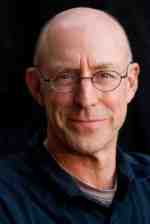
michael pollan

Michael Pollan

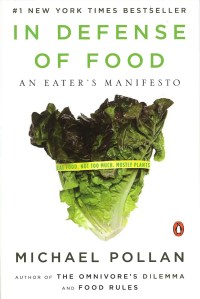
Without further delay… this month(s)’ pick is Michael Pollan’s #1 New York Times Bestseller In Defense of Food: An Eater’s Manifesto. Pollan is an American journalist, activist and author. His books focus on our country’s growing dilemma with food, its process, the way we eat, and what we eat. In one of his earlier books published in 2006, An Omnivore’s Dilemma, Pollan established a critique of how agribusiness have lost touch with the natural cycles of farming, wherein livestock and crops intertwine in mutually beneficial circles. His perspectives on food, farming, and our consumptions are unique, controversial and modern.

in defense of foodOur selection, In Defense of Food published in 2008, is a follow-up to An Omnivore’s Dilemma and was #1 on the New York Times bestseller list for 6 weeks. It focuses on both what we’re eating and how we’re eating it: “Instead of food, we’re consuming ‘edible foodlike substances’ — no longer the products of nature but of food science.” As Pollan argues, “Many of them come packaged with health claims that should be our first clue they are anything but healthy. In the so-called Western diet, food has been replaced by nutrients, and common sense by confusion. The result is what Michael Pollan calls the American paradox: The more we worry about nutrition, the less healthy we seem to become.” So if real food, as Pollan labels it, is in need of defense, who are we defending it from and why?

In this book Pollan provides an answer to this question in a simple, approachable way showing us how, despite our daunting dietary landscape, we can escape the Western diet and most of the chronic diseases that diet causes.

We hope you’ll read along with us and learn more about one of our most basic needs and its affect on our health.

For more of a preview, check out this NPR story

http://www.npr.org/player/embed/17725932/17758856

Make sure to share your progress/thoughts with us on Instagram or Twitter using #BooklyMark!

Underwhelmed

When I read Katie C.’s review last week, I immediately texted the other Bookly Clubbers and said “uh oh, my review is going to look a lot like yours!” I started Tell the Wolves I’m Home on November 10. I didn’t finish until yesterday, which for me is a very long read. Usually, I pick up a book and in a few sittings over the course of 3-4 days, I’m done. I just couldn’t get into this one. Don’t get me wrong, Brunt’s style is enjoyable, the characters were well-developed, and the idea of the book, the story, was touching and I should have love it.

However, I didn’t. I wanted to be on June’s side, but I couldn’t relate to her – even when I put myself back in my 14-year-old shoes, I didn’t feel a connection to her. Her relationship with Greta was fascinating, but Greta herself made me so angry. I think if I had understood Greta’s point of view better, if she had narrated for a bit or we got to “read her diary,” so to speak, perhaps I would’ve really felt for her.

I think the biggest reason I had such a difficult time getting through Tell the Wolves I’m Home was that I had a constant sense of “that’s it?” I would wait for the big dramatic moment, and then when it would arrive, I’d think “that’s it?” As the title of my post makes clear – I was, quite simply, underwhelmed.

Don’t know why I couldn’t put it down

Tell The Wolves I’m Home was a really fast read… I think I finished it in about a week (and being 9 months pregnant with a toddler, that’s crazy fast for me). But I’m not sure why. I can’t say I loved the story all that much, or really related to any of the characters. And nothing tremendously dramatic happened during the 355 pages. But I’d sit down to read it and blow through 70 pages at a time. So, there must have been something gripping about it.

I think it was the sisters’ relationship that kept me going. Honestly I didn’t really understand the Finn and June history or relationship (it felt a little dramatic for dramatic’s sake). But I liked watching the evolution between Greta and June. Although I wish they’d let us under the veil of what was going on with Greta a little more, but I guess that’s for our imaginations to figure out. And I think the friendship between Toby and June was well developed, and helped push the story along in the way it needed to.

Also, I think the book had a great end quote:

“Not the way they were, not clumsy and thick, but more like shadows. Like small eclipsed moons, floating over my heart.”

Overall I think it was a great read, but maybe just a little forgettable.

The Bookly Bulletin: Thanksgiving Edition

It’s Friday! So I thought I’d share another Bookly Bulletin (I know, finally!) full of reading- and book-related tidbits for you to enjoy over the long (and delicious) holiday. New here? Take a look at the other Bookly Bulletins.

And without further ado…

In honor of Thanksgiving, check out 14 novels that inspire 14 gobbles over on one of my new favorite #booknerd sites, Read It Forward.

If you’re like me and buy books faster than you can read them, then you probably want to know just how long it will take you to read all those unread books on your shelf. Thanks to another gem from Read It Forward, the TBR (“to be read”) calculator does just that!

Memoir is one of my favorite genres. One of the masters, Mary Karr, has a new book out called The Art of Memoir. My dad – a fellow book lover and book hoarder – sent me The New York Times’ review and while it’s not the most favorable, it’s a worth a read. (And I still might add it to my “to-be-read” list.)

Chimamanda Ngozi Adichie, author of The Bookly Club’s July pick, We Should All Be Feminists, has a TEDTalk that every single one of us should watch.

I’m guessing you’re probably like us and always have your nose in a book. Now there’s finally proof for what we’ve known all along: all that reading is good for your health.

Books are one of my favorite presents, both to give and receive. And if your BFF is a book lover like ours are, this list will come in handy for the upcoming holidays.

One book that’s definitely on my holiday wish list? Aziz Ansari’s Modern Romance. (Anyone watched “Master of None” yet?)

I know what I’m thankful for this Turkey Day: friends, family, and – of course, books. What are you thankful for this year?

Have a wonderful Thanksgiving! And, as always, thanks for reading.

November Book

Image © Our City Lights

And so the holiday season officially begins (or at least for those of you who don’t count Halloween)! This month the family events begin starting with the loud, turkey-roasting, over-served event that is Thanksgiving dinner. Along with this deliciously gluttonous meal comes a fair amount of family dramatics (good, bad and ugly alike). So it only seemed fair that our theme for November should be {Family Feud}. A great story about a lovable (or not) dysfunctional family.


And so, we’ve selected Tell The Wolves I’m Home by Carol Rifka Brunt; “a tender story of love lost and found, an unforgettable portrait of the way compassion can make us whole again.” This debut novel was published in 2012 to rave reviews and quickly became a New York Times Bestseller. Set in 1987, the story follows the life of 14-year-old June Elbus. She lives in Westchester and struggles with feelings for her gay uncle who is dying of AIDS.

Brunt says the inspiration for this novel came from the idea of an uncle painting a portrait of his young niece. And although she acknowledges parallels between her life and June’s, she insists it’s not autobiographical. This short story turned novel has been praised for its honest characters and unique voice. The A.V. Club gave the book an overall A- rating citing that it, “provides an earnest look at the burdens of choice and the fear of missed opportunities, all while weaving a beautiful portrait of the complicated relationships between family members.” The story sounds unique, touching and dysfunctional. We’re excited to dive in, and we hope you’ll join us!

Make sure to share your progress/thoughts with us on Instagram or Twitter using #BooklyMark!


What You Say Can Never Be Exact

I am right on board with Katherine C. – I think this is one of my, possibly my absolute, favorite of the books we’ve read so far. I think my favorite part of the book was the way the narrative unfolded. It was like reading the way we actually think – the story opening up a little at a time, swaying from past to present to fact to feeling. Once I read the Historical Notes, I understood the perspective of the story more clearly, and I thought back to something I read earlier in the book.

It’s impossible to say a thing exactly the way it was, because what you say can never be exact, you always have to leave something out, there are too many parts, sides, crosscurrents, nuances; too many gestures, which could mean this or that, too many shapes which can never be fully described, too many flavors, in the air or on the tongue, half-colors, too many.

It’s interesting to then think back on the story and think of all the things possibly misremembered, all the things left out intentionally or unintentionally, all the things missed by Offred (what is her real name?! I feel like it was probably Elizabeth). It endeared me more to our narrator, made her even more relatable, because I know there are moments of my life that I remember probably incorrectly, either to protect myself, or even to punish myself for some indiscretion long-forgotten by everyone except me.

I purposely did no research on the book before I started reading. Truly, it could’ve been a medieval story about a handmaid, I had no clue. So imagine my surprise when what I read was truly medieval, but only in action not in time. Given the {Ghost Stories} theme of October, let me be clear about the spookiest part of this story: it does not feel as unrealistic as it should. There are definitely people who would read this and think “yes, this makes sense.” And that is terrifying.

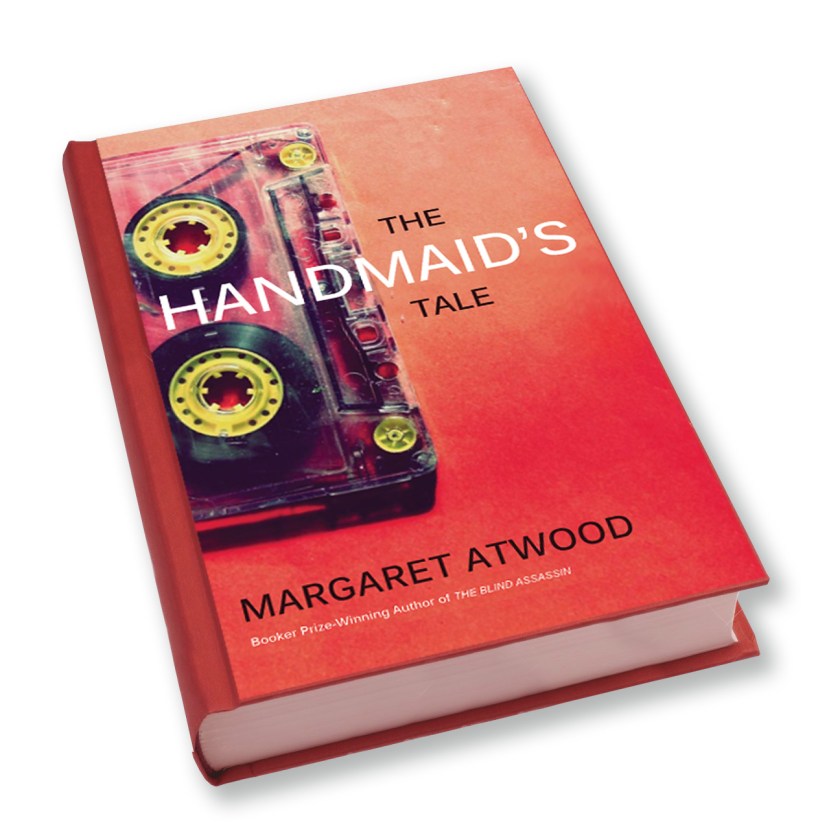
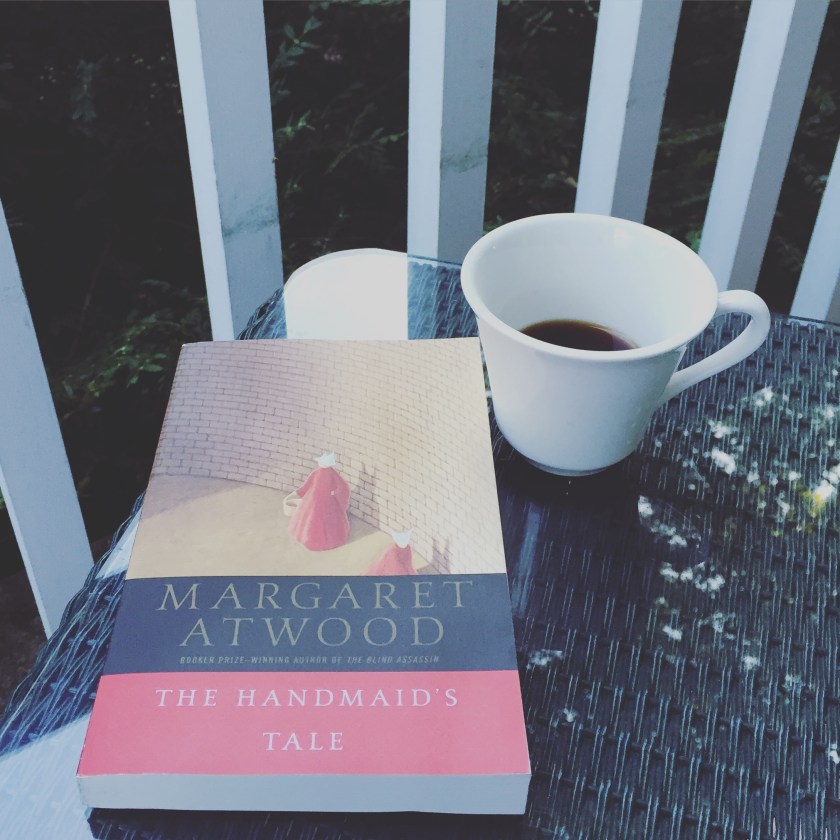
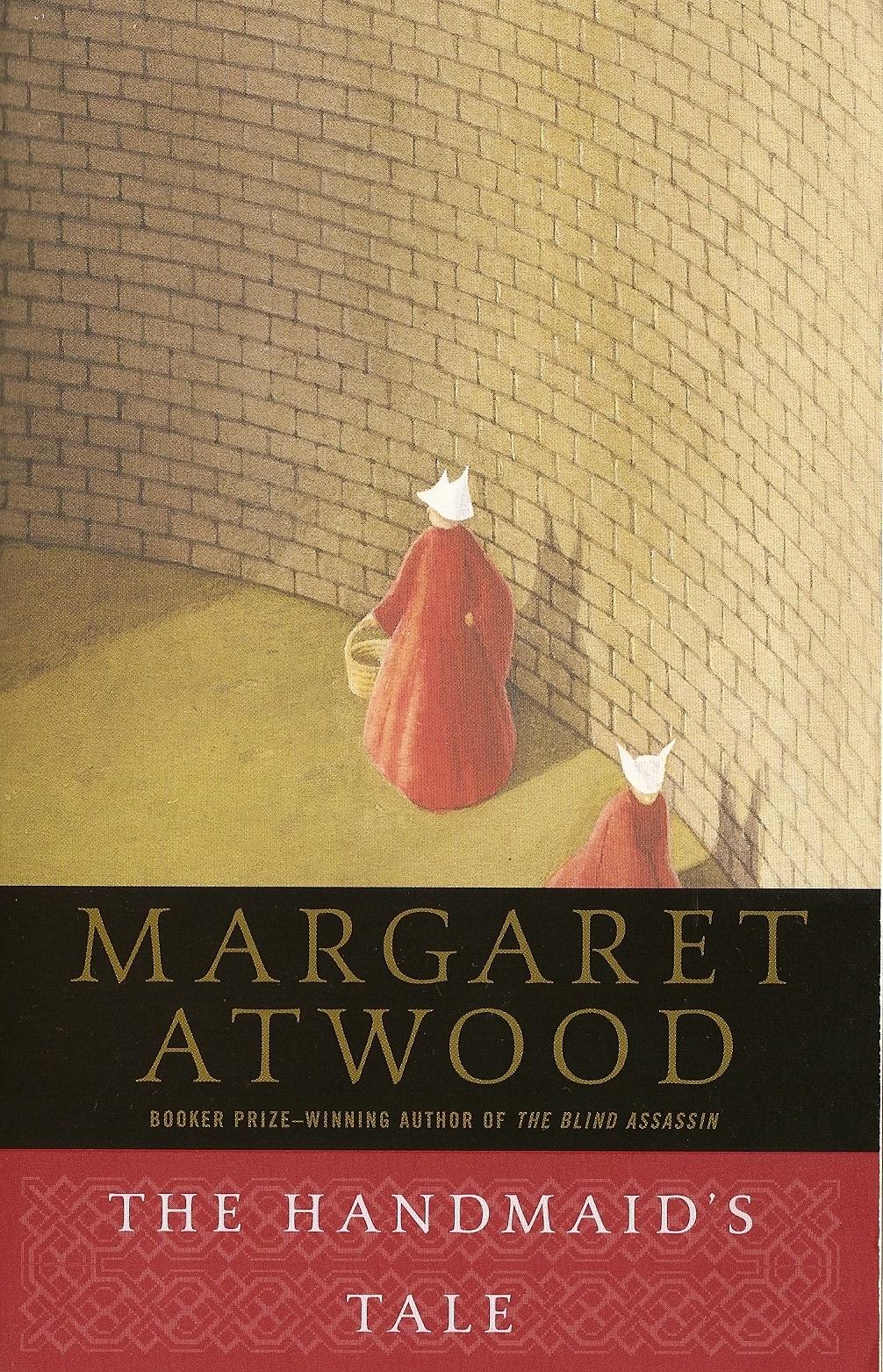
{The Handmaid’s Tale} Cover Redesign


atwood1The Handmaid’s Tale has a rather recognizable cover… and that’s probably because the old version has been around for such a long time. So, to freshen it up, I wanted to bring it into a new era. The timeline in the book is fairly ambiguous, but if you make it all the way to the end, 1980’s cassette tapes play a significant, and rather mysterious, role. Their appearance in the story is till making me think and wonder.

This inspired me to use the 80’s as inspiration for a new cover. I wanted something to show off the cassette tape, have an 80’s feel to the style, and still feel a little eerie (in keeping with the tone of the book). So without further a due, here’s a look at my redesign…


Image Source: gethdwallpapers.net
Font: Kalinga Bold


A Peaceful End

Of all the books we’ve read so far, I think this one is by far my favorite. I loved the premiss, the storyline, the writing style, and the ending. I’d never read anything by Margaret Atwood before, but The Handmaid’s Tale definitely makes me want to pick up a few more of her books.

One thing I love is Atwood’s insistence that the story is not science fiction. Yes, it’s fiction, but she says everything that happens in her novels is possible and/or may even have already happened. This perspective really added to the experience of this story. As I was reading, every time I would think how crazy the lives were that these characters were leading, I’d think back to real-world scenarios where mass-brainwashing has caused similar or more significant atrocities (the holocaust, public stoning of women, child labor, etc). It makes the themes and events in Offred’s story that much more powerful and relevant. It read to me like a lot more than just a women’s story.

“Maybe none of this is about control. Maybe it isn’t really about who can own whom, who can do what to whom and get away with it, even as far as death. Maybe it isn’t about who can site and who has to kneel or stand or lie down, legs spread open. Maybe it’s about who can do what to whom and be forgiven for it. Never tell me it amounts to the same thing.”

And Atwood’s writing style brought me into the story in a unique way. The fact that it’s a first-person narrative told in a semi-polished, stream-of-consciousness method lets you into the protagonists life and thoughts fully and completely. I felt very tied to her past and her fate. But an interesting thing about this method of storytelling was, the whole time I was wondering: where is she while she’s telling this story and how did she get the chance to record it? And Atwood’s Historical Notes ending adds to that curiosity. What did happen to Offred? I like to think that the simple fact that she was able to share her story means she escaped, found peace, or at the very least was vindicated.

“… everything I’ve resisted, comes flooding in. I don’t want pain. I don’t want to be a dancer, my feet in the air, my head a faceless oblong white cloth. I don’t want to be a doll hung up on the Wall, I don’t want to be a wingless angel. I want to keep on living, in any form. I resign my body freely, to the uses of others. They can do what they like to me. I am abject. I feel, for the first time, their true power.”